As college admissions become more competitive, I’ve started thinking more seriously about college. I’ve become curious about how legacy admissions work and who they benefit. Legacy admissions are policies at colleges and universities that give preference to the students that are related to alumni.
According to the article titled “Legacy Looms Large in College Admissions, Perpetuating Inequities in College Access” published on the website for Institute for Higher Education Policy, “… Considering legacy status when making admissions decisions is associated with decreased college access for Black and Hispanic students, as well as for students living with low income.”
The same article states, although the U.S Supreme Court struck down the use of race conscious admissions in higher education in 2023, more white and well-off students that might even have lower stats than other students are being prioritized and given the opportunity to attend these colleges because of their family alumni. This leads me to say other students’ applications should receive the same attention received as legacy students.
Why Legacy Admissions Are Unfair
Supporters of legacy admissions argue that admitting legacy students creates a sense of community and keeps families connected across generations. However, I disagree with legacy admissions because college acceptance should be based on students’ hard work, achievements, and potential rather than family background.
Giving special treatment to legacy applicants creates unfair advantages that play no role in how qualified a student is, but simply whether someone’s grandparents, parents, or siblings were qualified. This practice is not fair because it allows some applicants to benefit from circumstances they did not earn, while many highly qualified students without those connections are overlooked.
That doesn’t mean colleges need to ignore legacy families entirely. I believe admitting people just because they’re legacy is wrong, but supporting legacy students after admission through legacy events, alumni family programs, and community building opportunities can still be beneficial.
How Legacy Admissions Could Improve Fairness
College admissions can be made more equal by reducing or ending unfair advantages like legacy admissions. In the articled titled “What is Legacy Admissions?” the president of Johns Hopkins University, where legacy admissions ended in 2020, said, “At Hopkins, we found that ending legacy admissions gave us more space and opportunity to create a broader array of talented students.”
Legacy Admissions at Prestigious Universities
At prestigious schools like Harvard and Princeton students with legacy status or family connections are admitted at much higher rates than other applicants. A website post from The Harvard Crimson titled “Legacy Admit Rate Five Times That of Non-Legacies, Court Docs Show” revealed that over 33 percent of legacy applicants were accepted, compared to only about 5 percent of non-legacy students.
Princeton shows the same pattern. According to the article titled “The disgraceful legacy of legacy admissions”, posted on the website for The Daily Princetonian, “For the Class of 2022, the acceptance rate for legacy applicants was roughly 30 percent compared to a slim 5.5 percent total acceptance rate.” These numbers prove that family ties and alumni influence often help students gain admission to these prestigious schools beyond their own academic achievement alone.
Are College Admissions Truly Equal?
College admissions are often presented as a fair competition, but are they really? Many schools claim they evaluate fairly, yet some students receive advantages that others do not, especially legacy applicants or those who come from wealthy families. This creates an uneven system where family connections matter just as much as other students grades, test scores, extracurricular activities, and achievements.
Next year, when I am a junior beginning the college process myself, I want admissions systems to value dedication, achievement, and potential above all else. Creating a fairer process would help ensure that future students can pursue higher education with hope and confidence that everyone has an equal chance to succeed instead of being students discouraged to even apply because they lack family connections to prestigious schools.
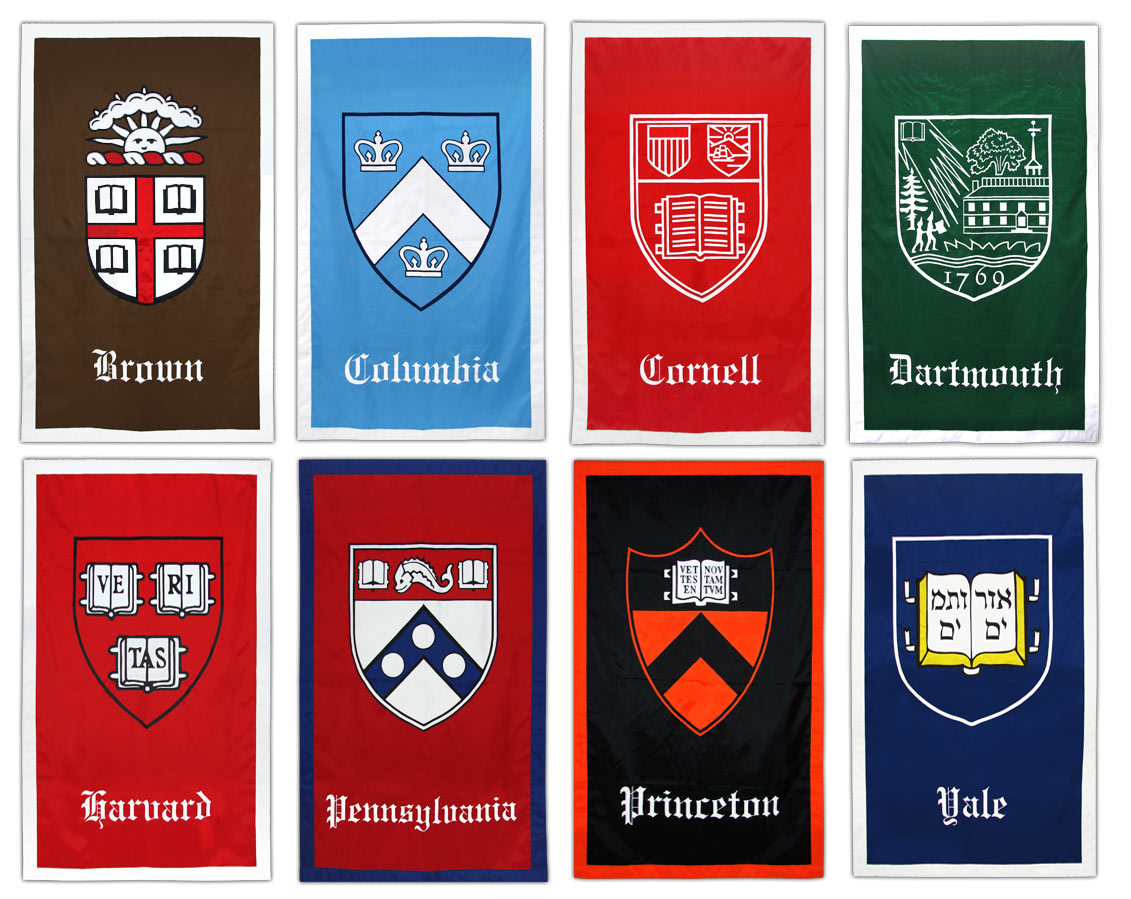
Percentage of legacy students in the Ivy League
- Harvard University (Class of 2027): 32%
- Yale University (Class of 2027): 11%
- Dartmouth University (Class of 2027): 11%
- Cornell University (Class of 2025): 15%
- Princeton University (Class of 2028): 11.2%
- Brown University (Class of 2027): 8%