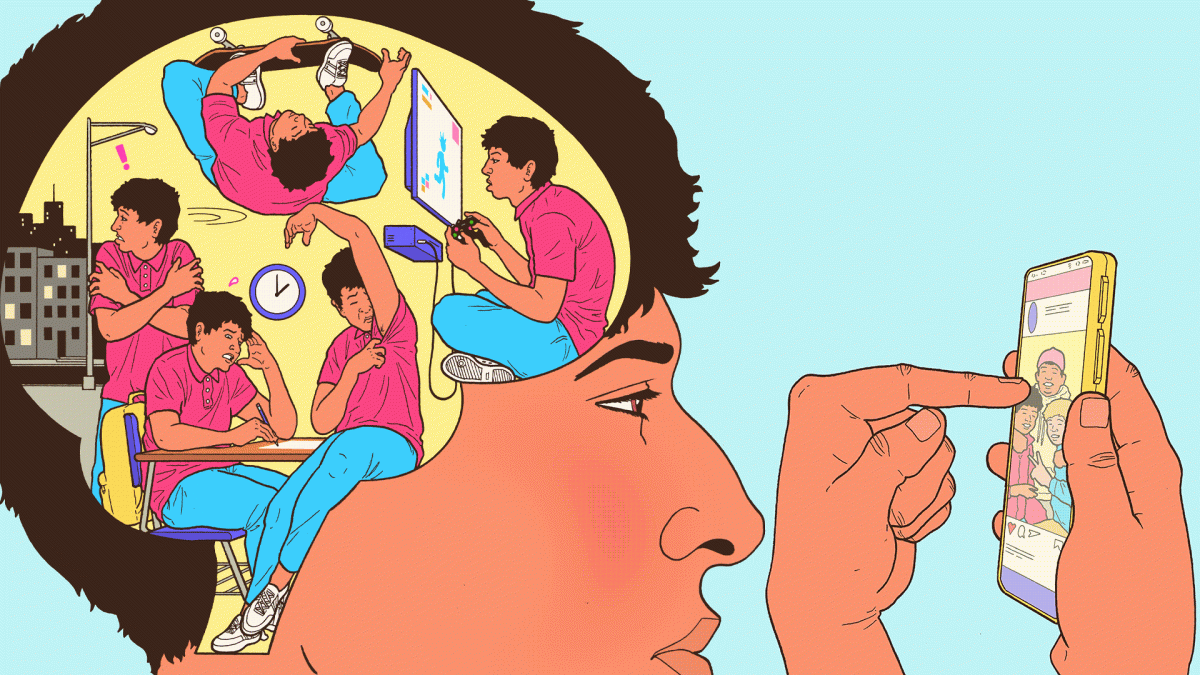
Social media has become a big part of everyday life for teens, especially in today’s digital world where apps like Instagram and TikTok are used constantly. Many students spend hours scrolling, posting, and interacting online, making it one of the main ways they communicate and express themselves.
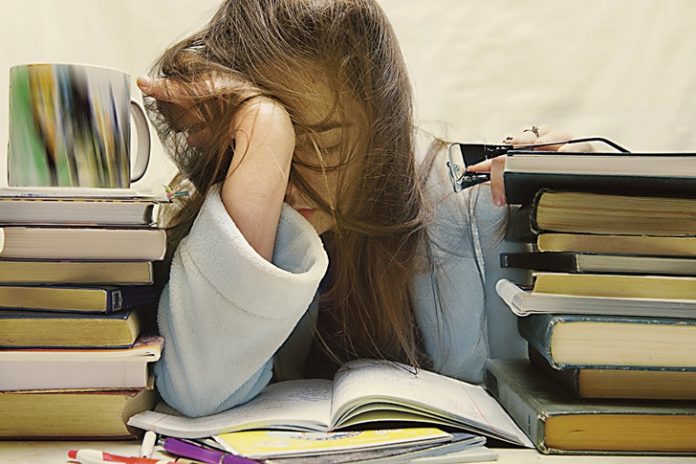
While social media can be a fun way to stay connected with friends and share moments, it also comes with challenges. One of the biggest issues students face is the pressure to look perfect, gain likes, and keep up with others. This pressure can affect confidence, self-esteem, and even mental health, leading many teens to feel stressed or insecure.
Sophomore Jonathan Flores said he uses social media every day, mostly Instagram and TikTok, and sometimes feels pressure because everyone seems perfect online. He explained that “likes and followers affect how people feel, even if they don’t admit it,” and said taking breaks helps him deal with that pressure.
Sophomore Ozzman Garcia also believes the pressure comes from trying to fit in and get attention. He said, “When posts don’t get enough likes, it can make you feel bad,” and admitted he has deleted posts because of it. Even so, he tries to remind himself that social media is not real life.
Rob Medina, a 10th grader, shared that even though he does not always feel pressure, it is still there. He explained that people often show off online, which makes others feel like they must keep up. He added that this can hurt confidence and said that “limiting screen time helps.”
Recent research shows that social media use among teenagers has become nearly universal. According to the Pew Research Center, a majority of teens report being online “almost constantly,” and many spend several hours a day scrolling, posting, and interacting with content. Studies have also found links between heavy social media use and increased levels of anxiety, depression, and low self-esteem in some teens. This is often connected to constant comparison with others, cyberbullying, and the pressure to present a “perfect” life online, which can affect how teens see themselves in real life.
10th grader Kenia Acosta said social media can have a strong effect on self-esteem, especially for girls. She admitted, “I’ve felt insecure after seeing certain posts,” but also said social media can be positive depending on how it is used. She tries to avoid accounts that make her feel bad about herself.
Mia Alonso, a sophomore, explained that there is a lot of pressure to look perfect online, especially because of filters and trends. She said, “Filters make everything look unrealistic,” and that it can be stressful trying to keep up. Taking breaks, she said, helps her focus more on real life.
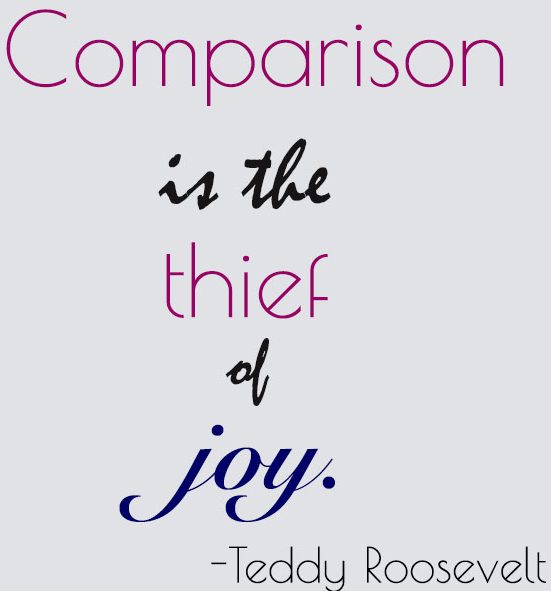
Rosselyn Melendez, a sophomore, described social media as both good and bad. She said it helps her stay connected with others, but it can also cause overthinking and comparison. She explained, “I just remind myself that what I see online isn’t always real.”
Teachers are also noticing the effects of social media on students. Social studies teacher Ms. Delgado said she has seen more anxiety and distraction in the classroom. She explained that many students compare themselves to unrealistic standards online and believes that “schools should teach healthier social media habits.”
Parents have concerns as well. Melida Luque, a mother of two, said she worries about how much time teens spend on social media and how it can affect their confidence and mental health. She said, “What you see online isn’t always real,” and encourages taking breaks and focusing on real life.
Atahualpa Delorbe, a father of two, added that social media creates pressure for teens to fit in and compare themselves to others. He said that “having conversations and setting limits can help create balance.”
Experts from organizations like the American Psychological Association suggest that teens can reduce social media pressure by limiting screen time, taking breaks, and focusing on positive content and real-life connections. They also recommend talking to trusted adults or friends to better manage stress and feel supported.
Social Media Facts
- About 95% of teenagers in the U.S. use at least one social media platform.
- TikTok, Instagram, Snapchat, and YouTube are the most popular apps among teens.
- Many teens report spending over 3 hours a day on social media.
- Studies show that too much social media use can increase stress, anxiety, and low self-esteem in some teens.
- Social media can also have positive effects, such as helping teens stay connected with friends, expressing creativity, and learning new information.