Although COVID-19 feels like something from years ago, its effects are still visible in today’s classrooms. Teachers, parents, and students with younger siblings are noticing that some children who were incredibly young during the lockdown years are now struggling with focus, communication and learning skills that are normally developed in early childhood.
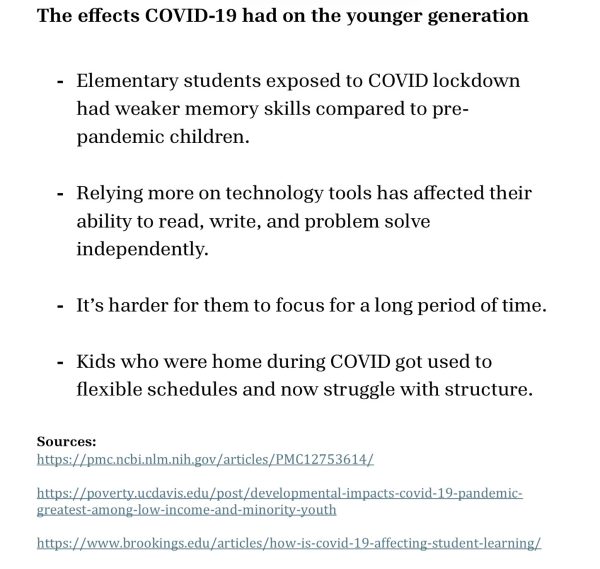
Studies show that the changes kids went through during COVID did not just affect their routines, but also affected how some of them learned. According to the website for the Center for Infectious Disease Research and Policy (CIDRAP), several studies found that children under 10 showed drops in cognitive skills like memory, language, and problem–solving during the pandemic years. Researchers say this wasn’t because the kids were sick but because they spent long periods away from classrooms, friends, and normal daily structure.
These are the years when kids’ brains grow the fastest, so missing those experiences affected them. Freshman Alondra Quant noticed this too. “My younger sister was in 1st grade when the pandemic first started,” said Alondra. “She has struggled severely with her handwriting and writing skills because she didn’t get to experience the hands-on teaching.”
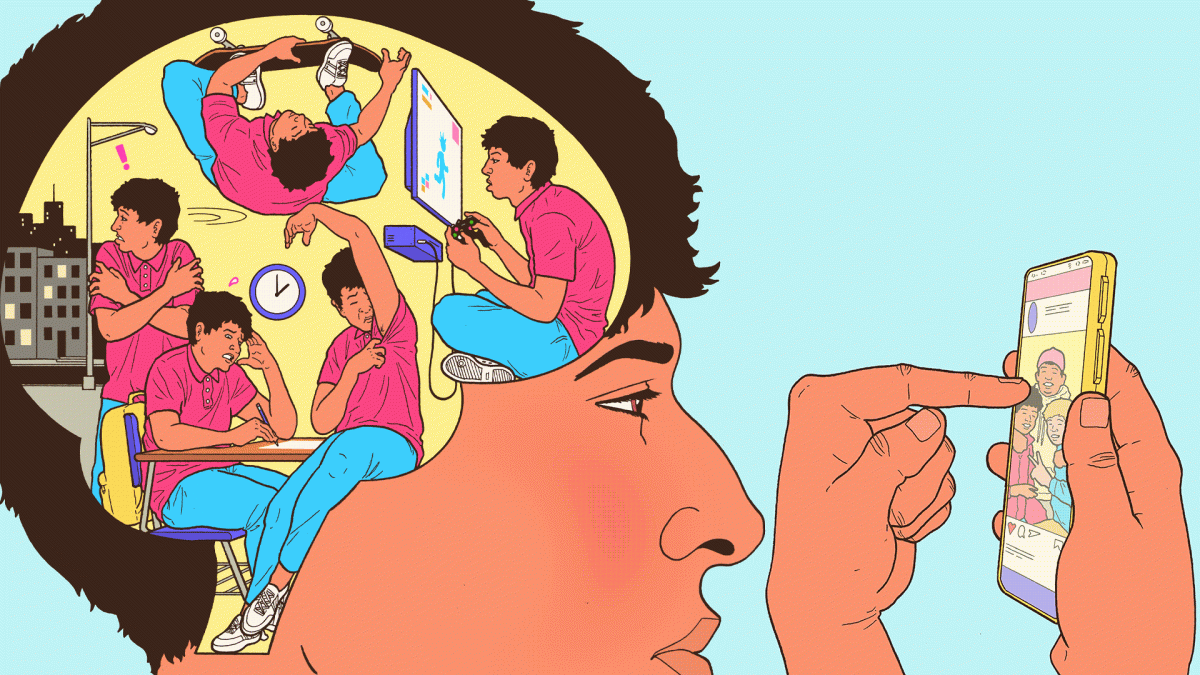
Teachers at our school say they continue to notice these effects even now. Photography teacher Ms. Diaz explained that attention spans seem shorter than before. “Students are creative and capable, but it can take longer for them to stay focused on one task,” she said. “I’ve had to adjust how I explain assignments by breaking them into smaller steps so students don’t feel overwhelmed or just stop paying attention in general.”
Geometry teacher Mr. Lacayo has seen similar challenges in the classroom. “There are gaps in foundational skills,” he said. “Some students struggle with concepts that build on earlier learning, and that makes it harder for them to keep up. It’s not about ability. It’s about missed time and practice.”
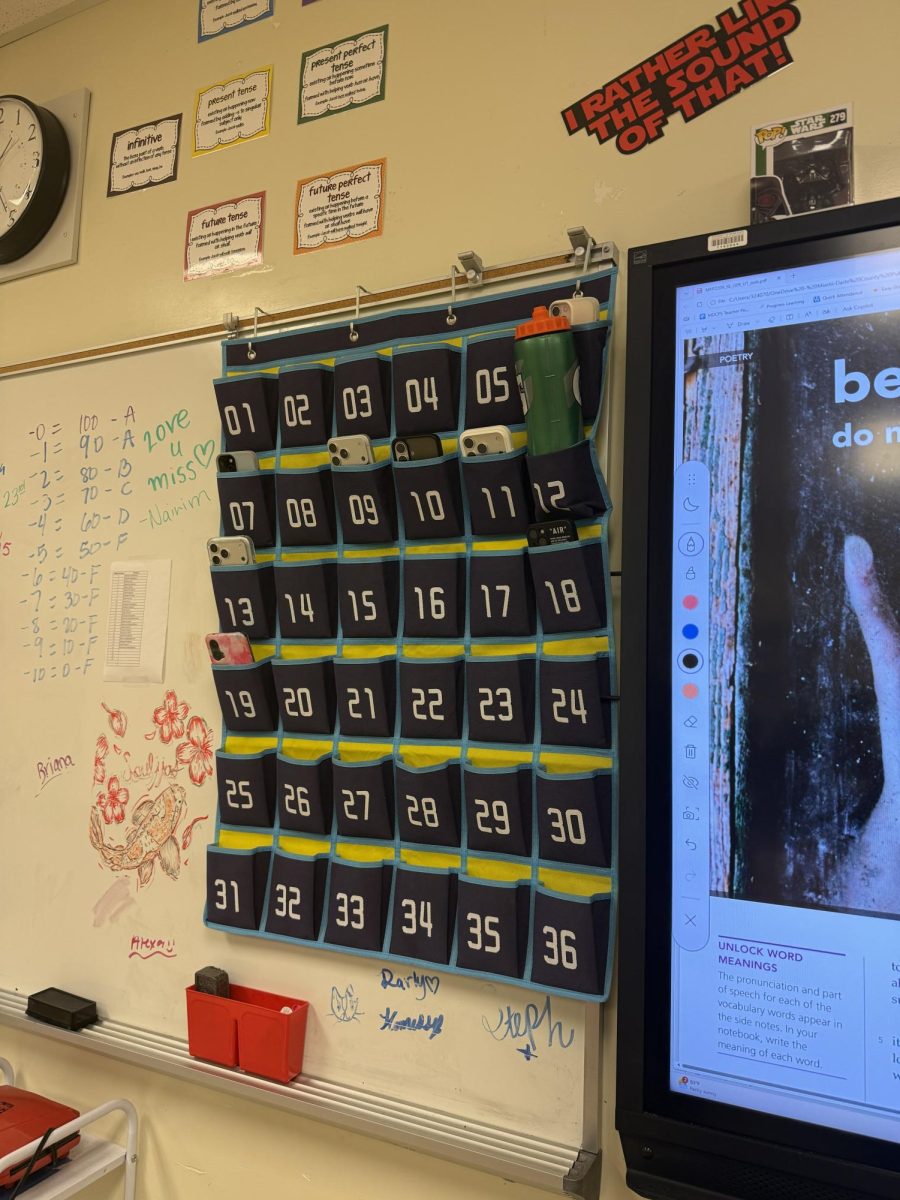
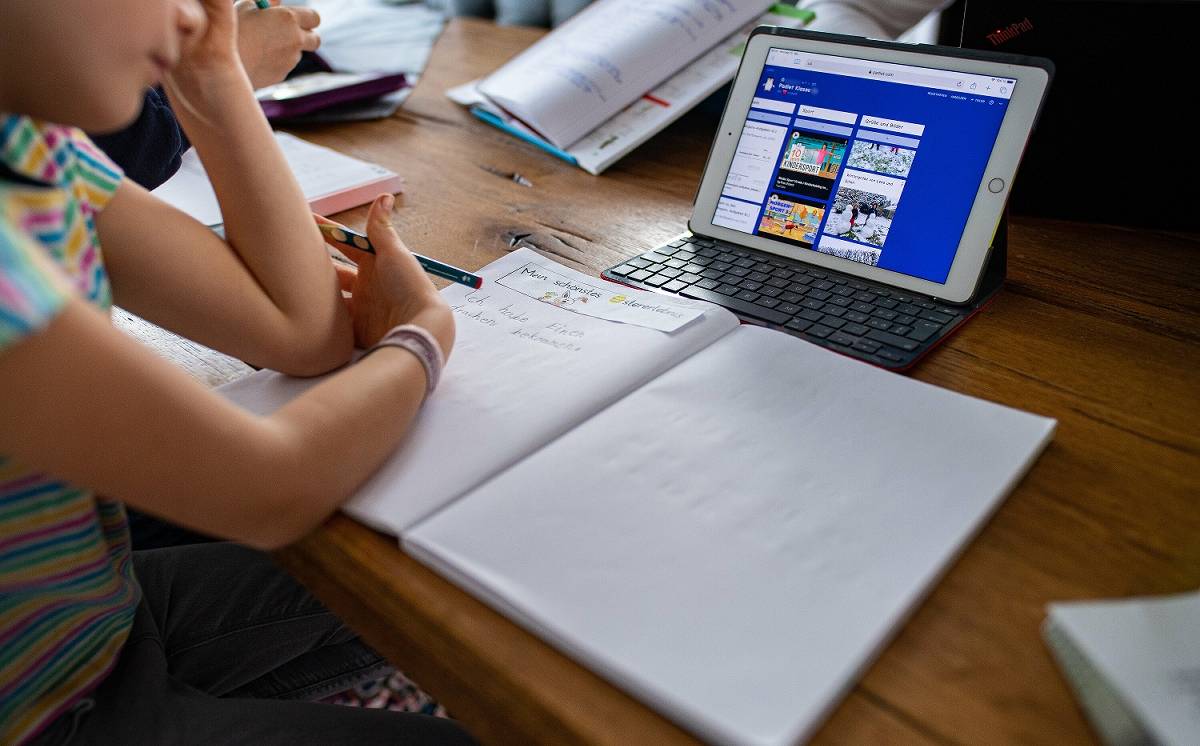
According to “Digital Device Usage and Childhood Cognitive Development: Exploring Effects on Cognitive Abilities” posted by the research journal Children on the website National Library of Medicine, the shift to online learning has been associated with a noticeable increase in students’ reliance on digital tools while also contributing to declines in concentration and overall engagement.
Students themselves also recognize the changes. Junior Jonathan Sanchez believes technology plays a bigger role now than it did before COVID. “I see it with my younger sister,” he said. “During quarantine everything was online, so she got used to depending on devices for school and rarely ends up doing her written assignments.”
Sophomore Deron Gutiérrez also said, “My younger brother relies a lot more on apps instead of really trying to figure things out even when it’s something easy like I-Ready.”
Sophomore Maya Rodiles shared that her younger siblings struggle with communication. “They have a harder time speaking up or interacting with others,” she said. “I didn’t really have that problem at their age.”
Freshman Valeria Lopez has noticed something similar. “My younger cousin gets frustrated easily with schoolwork,” she said. “I think it’s because they didn’t have that early classroom experience where you learn patience and how to ask for help.”