
The oceans and their inhabitants are so full of secrets and mysteries waiting to be discovered. The article titled “Ocean Explorer”, posted on the website for NOAA, reports that even though we have explored the oceans for a great deal of time, we have only explored/studied 27.3% of the global seafloor.
According to the same website, more than 90% of the deep ocean (deeper than 200 meters) remains undiscovered, so who knows what kind of amazing creature is lurking thousands or even millions of meters below us while we’re out in the ocean, waiting for the right time to come out.
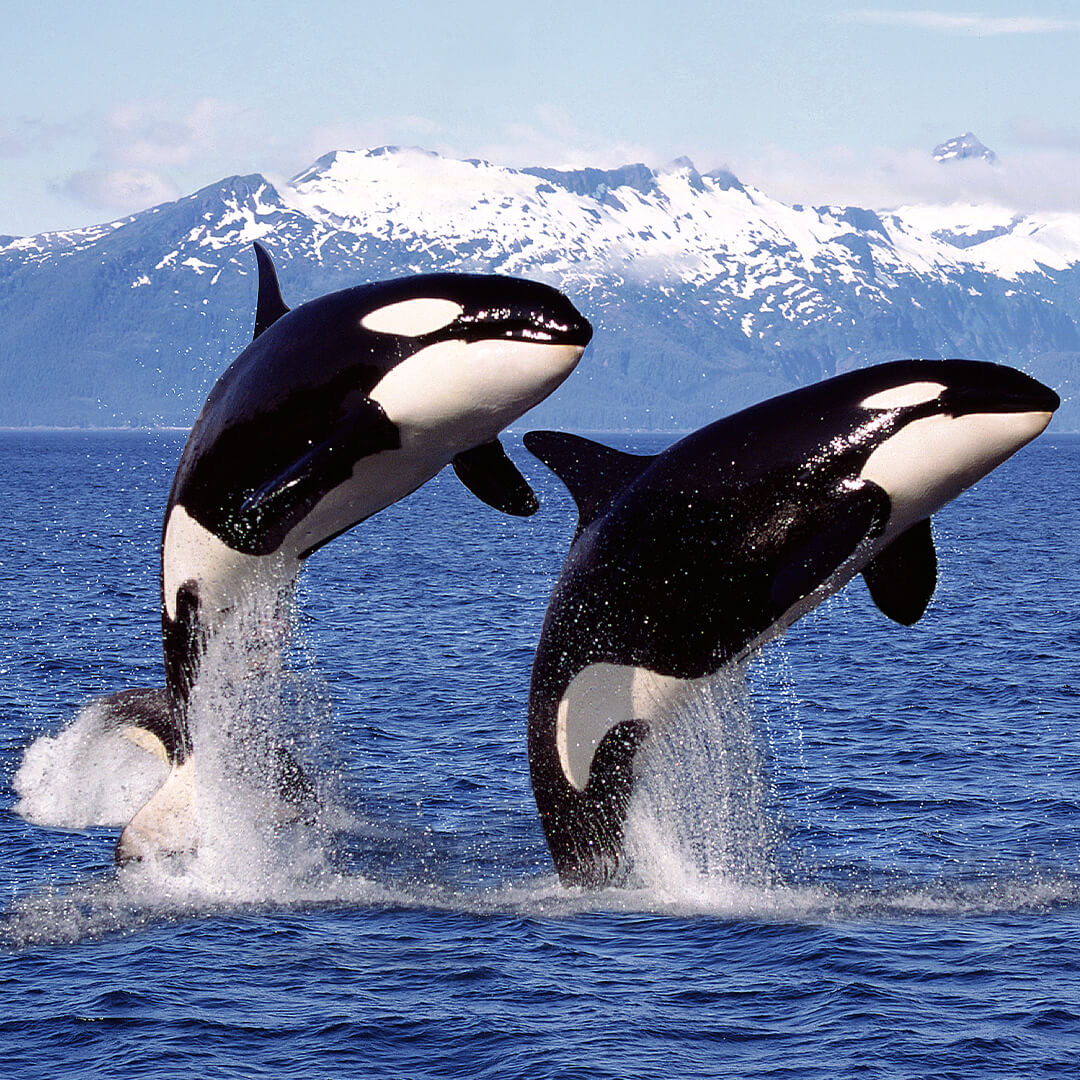
Sea creatures, where do I even begin with these amazing animals? There are a lot of things that are awesome about them, and I could be rambling about them all day, but I’ll keep it brief. They are cute, intelligent, fierce, brave, and a lot of other things. Did you know that orcas (also known as killer whales) can create waves with their bodies to throw seals from iceberg pieces so they can catch them? This shows not only their intelligence and adaptability but also their great teamwork.
What makes a predator be a predator?
When people think about the word “predator,” they think about a big animal full of teeth and with the desire for blood, but really predators can range from the smallest organism to the biggest animal on earth (aka Blue Whales) which happens to be a sea animal. While it is true that many predators are big and have scary teeth, not all of them need to be immensely ginormous. According to the article titled “This small deep-sea predator hidden in the Atacama Trench is darkness personified,” published on the ZME science website, the smallest predator in the ocean is the Dulcibella Camanchaka, discovered in 2023, which measures only 4 cm (1.6 inches) long. Despite its size, it is a fierce hunter living over 26,000 feet below the surface.
As a small detail, scavengers are NOT predators. Being a predator involves hunting your food, not just finding it after it’s deceased.
Why are sea animals important to us?
Sea animals are the biological engine of the planet, providing essential “ecosystem services” that sustain human life far beyond the coastline. More importantly, marine life produces a great amount of oxygen through photosynthesis. When I was young, I heard the word “photosynthesis,” and I immediately related it to plants, because that’s all we were taught.
But in reality, many sea animals take advantage of this process in order to prosper. According to the article titled “Leaf look-alike,” posted on the website FishBio, one example is the Eastern Emerald Elysia, which is a sea slug that performs photosynthesis by stealing chloroplasts from algae.
What are some of the biggest mysteries of the oceans?
The ocean is full of mysteries; some have been solved over the years, but many of them will probably remain unsolved forever such as “the bloop”, which is one of the loudest underwater sounds ever recorded in 1997. While scientists now link it to icebergs cracking, the scale of the sound initially led many to believe it was a massive, unknown sea creature. Or even the “Bermuda triangle” which is one of the most well-known mysteries. Despite many “scientific” debunking, the area remains a pop-culture staple for the sheer number of unexplained disappearances, such as the USS Cyclops and Flight 19.












Adreanly Leon • Apr 1, 2026 at 9:21 pm
❣️❣️