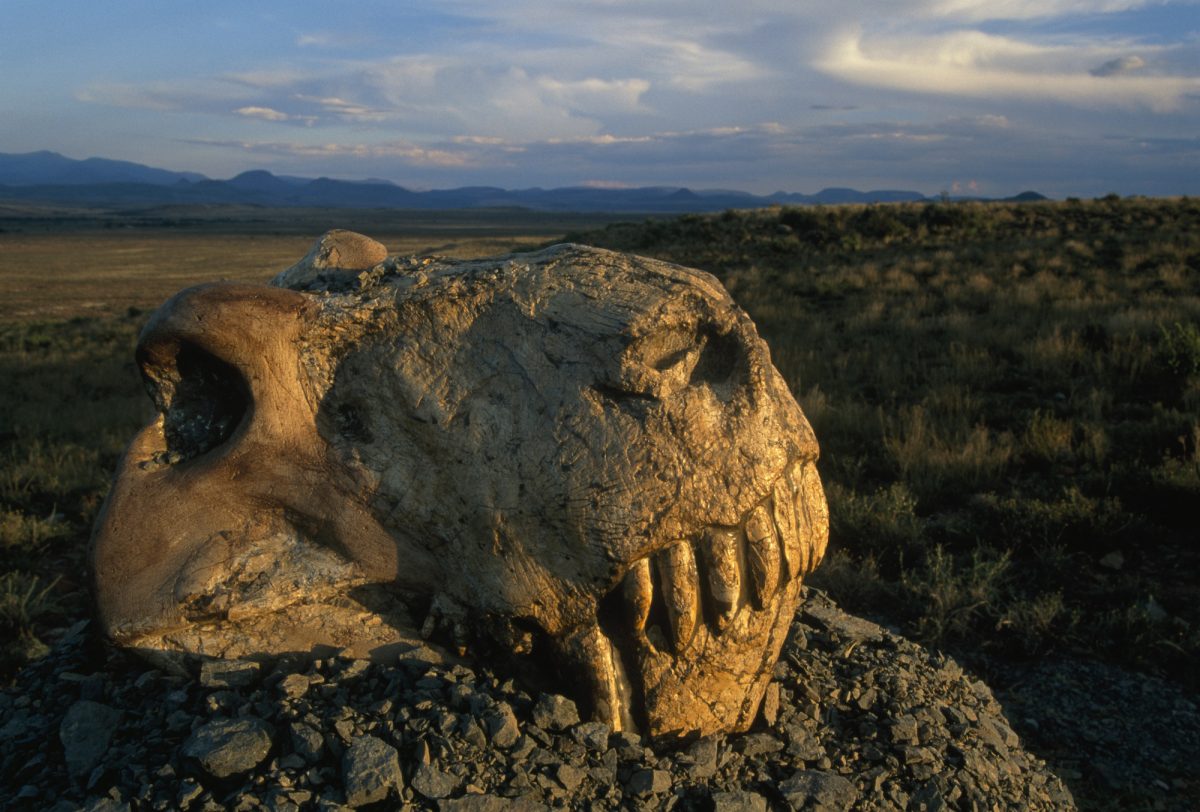
From the beginning, when Earth was a planet of only magma, species appeared and disappeared over the years, becoming extinct. But we cannot talk about extinction onthe old earth without mentioning the Cretaceous-Paleogene extinction. This event started with a massive asteroid that hit the earth millions of years ago, making huge fires around it. The ash, smoke, and dust blocked sunlight, making 75% of all species go extinct. Extinctions can change the whole environment which lets other species grow and develop.
Recognizable species that are at risk in today’s world
We live in a modern world, but how would you react if the species you know so well could go extinct in a few years. A very good example is the giant panda, native to China. There are only 2,700-2,800 pandas due to severe habitat loss, and their extreme reliance on bamboo, which limits their range and diet. Also, they have a complicatedreproductive system, making a baby panda a miracle. In the past years their population has increased, but they are still at risk; people work hard to keep them alive.
Another famous species is the tiger, found in parts of Asia, including India, Russia, and Southeast Asia. According to National Geographic, today there are fewer than4,500 tigers in the wild, . They had to face poachers for their fur and body parts and their habitat is also getting smaller.
Thylacine Extinction
The thylacine, often called the Tasmanian tiger, was officially declared extinct in 1936 after the last one

died in captivity. Thanks to the website for the Department of Natural Resources and Environment Tasmania, we know they once were all over Tasmania and mainland Australia. Hunted heavily by settlers, the species also suffered from habitat loss and disease, showing a perfect example of how human actions can permanently alter natural environments.
Why does this keep occurring and how to prevent it
Extinction keeps occurring because humans continue to change the planet faster than many species can adapt. The cities grow, forests are cut down, oceans are polluted, and the climate becomes warmer, so animals lose the habitats and resources they need to survive. Even though extinction is a natural process that has happened throughout Earth’s history, today it is happening much faster because of human activity. Unless people take stronger action to protect ecosystems, reduce pollution, and control hunting and illegal trade, extinction will continue to increase.
Extinct animals in the modern era
- Dodo
- Passenger Pigeon
- Tasmanian Tiger
- Great Auk
- Steller’s Sea Cow
Source: www.britanica.com & www.si.edu