How does Overconsumption affect the Environment?
Every day, people across the country go by their day continually looking at their online shopping carts and continue to enlarge the lavish mountain of items they’ve bought. Sure, shopping frequently might seem harmless at first, but the reality is a lot worse than that.
The truth is, as people continue to overload themselves with items that they don’t need, they indirectly harm the world around us. In her article titled “How Buying Stuff Drives Climate Change”, Renee Cho cites a research study by Christoph Meinrenken, who found, “Producing all these things generates climate-changing greenhouse gas emissions. And in fact, across its life cycle, the average product results in carbon emissions of 6.3 times its own weight.”
Overconsumption is the excessive use of goods and resources beyond what is necessary or sustainable. In today’s world, it seems like overconsumption continues to thrive as trends come and go, which fuels consumers to continue with this cycle of dangerous consumerism, which brings up several issues such as the harm done toward the ecosystem or expanded waste.
The United Nations has also been very vocal about the long-term effects that overconsumption will have on our planet. In their article titled “Facts and Figures” they explain, “In high-income countries, the material footprint per capita – the amount of primary materials needed to meet our needs — is more than 10 times larger than in low-income countries. And the Group of 20 major economies (G20) accounts for 78% of global greenhouse gas emissions.”
What Specific Industries Are the Most Harmful?
There are many industries that behind the scenes operate in ways that are especially harmful with rises in consumer culture.
One of these industries is the fashion industry. This is also known as fast fashion, which affects everyone, even consumers. In her article titled “The Fast Fashion Epidemic” posted on the website for UCLA Sustainability, Elaina Simonsen explores how to reduce costs: “The clothing is made of worse and worse materials like polyester, otherwise known as plastic or fossil fuels, which does not decompose. Since the quality is poor and the clothing doesn’t last, it ends up in landfills or waterways. These clothes can break up even further into microplastics which pollute our planet even more and are harder to clean up.”
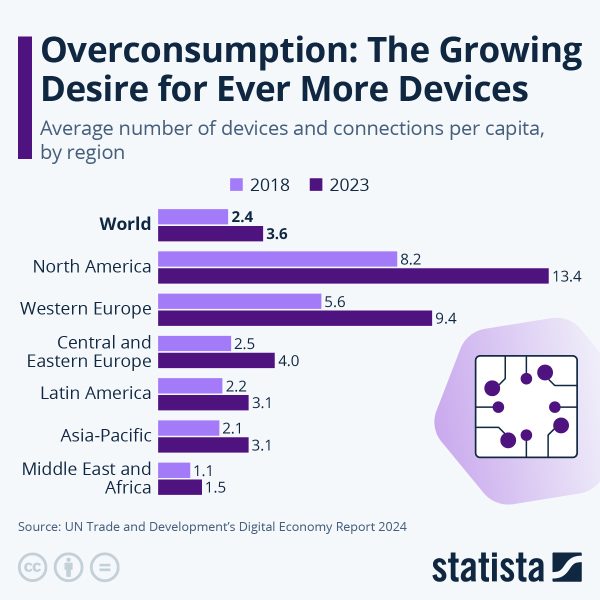
Another industry that is just as harmful is the tech industry. Although it is hard to avoid technology since it’s so well built into our society, we must acknowledge the damage it contains. An article titled “The Hidden Environmental Cost of Your Devices and Actionable Steps to Reduce It” by Rose Morrison, posted on Earth.org, states, “E-waste is becoming one of the fastest-growing environmental challenges, with millions of discarded devices piling up in landfills every year. These electronics release toxic chemicals like lead, mercury and cadmium, which seep into soil and water, harming ecosystems and human health. As consumers upgrade their gadgets more frequently, the volume of e-waste continues to climb.”
What are Solutions or Alternatives to Overconsumption?
There are ways to reduce waste other than continuing to consume more than what you need. The United Nations advises people to not to throw their food away, or at least not as frequently. They also say using fewer plastic straws and carrying a reusable bag can greatly help. Lastly, they state that recycling items like plastic bottles are good ways to help as a consumer.
For me personally, as someone who enjoys shopping, it is hard to avoid the temptation of making an impulsive purchase. Something that might help is to simply stop browsing so much. So many people get the urge to buy anything because they spend hours on their computer looking through online shopping websites which fuels up the need to buy something. Another tip would be to delete any shopping apps and set strict budgets to discipline your shopping urgency.
But if you must insist on your shopping addictions, some less harmful options would be purchasing from local sustainable small businesses, buying on secondhand websites, and going thrifting.
Why are People Consuming More than They Need?
The fixation of overconsumption can be for many reasons. Some people simply feel happier when they purchase things. In other words, if they don’t have much going for them in life, they might just settle down to retail therapy, a way of distracting them from problems or coping with their emotions. It all comes down to being materialistic, which is a way of people filling the void in order to feel fulfilled in their lives.
I believe that advertising also has a long-term effect on this. Companies seem to know the things consumers want and usually know how to market their products correctly.
Forbes Magazine backs up this claim in their article titled “Why We Buy More Than We Need” by Jousha Becker stating , “Some studies indicate we see 5,000 advertisements every day. Every ad tells the same story: Your life will be better if you buy what we are selling. We hear this message so many times and from so many angles, we begin to subtly believe it.”
How is Social Media Pushing Normalization of Overconsumption?
Social media is one of the factors that keep people spending so much. Trends on Instagram and TikTok have driven people to buy anything that is in the slightest popular.
As soon as you open a social media app, one of the first things that might pop up are content creators or influencers doing an expensive haul of the latest trendy items. Sometimes their video might even be sponsored without mentioning it. This is harmful because people are being falsely advertised about something that will lead to them spending even more money.
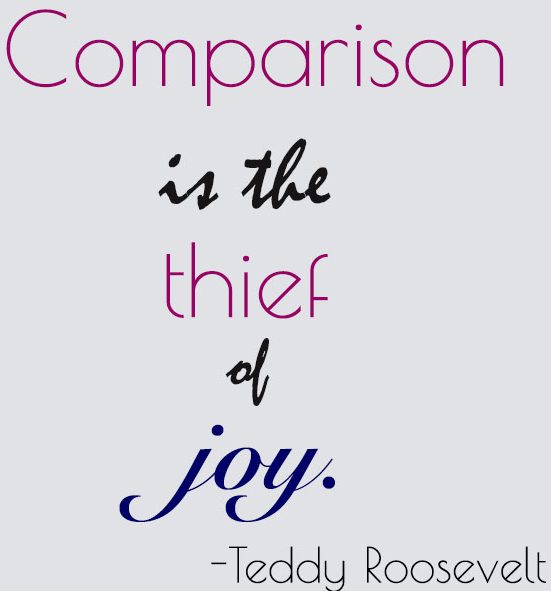
I also believe that Fear Of Missing Out (FOMO) is another contributing factor of this. Latest trends like the phenomenon of Stanley cups or Labubus showcase that people don’t buy things because they genuinely like them but because they want to fit in and don’t want to be left behind.
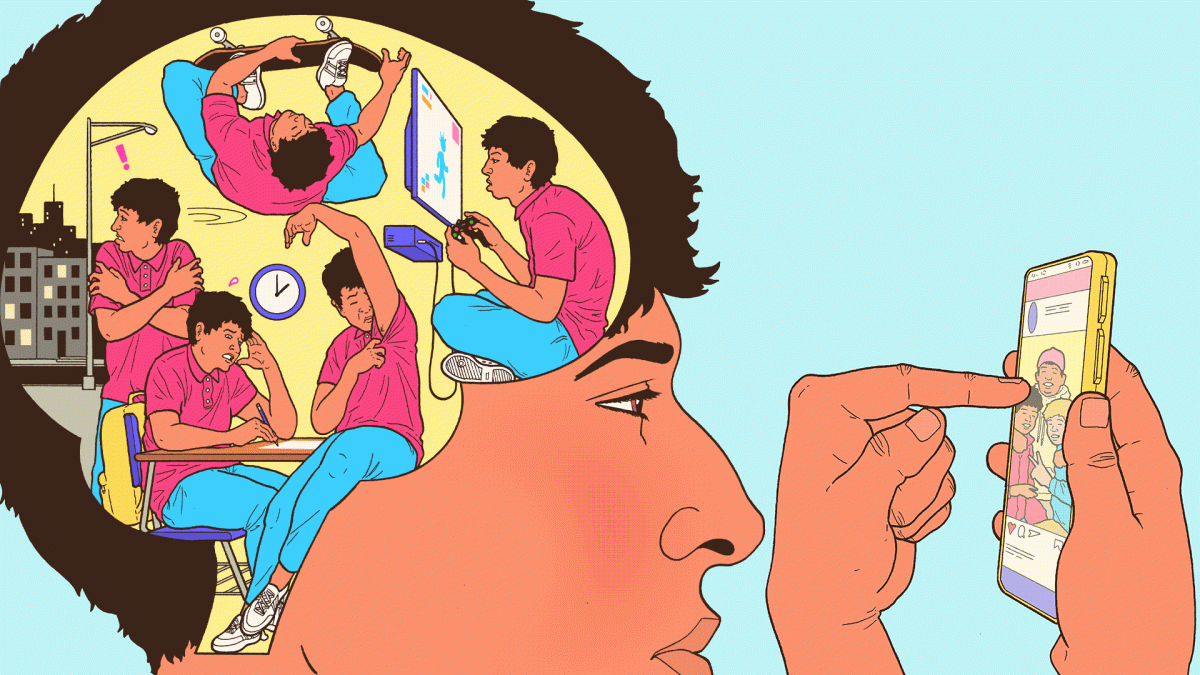
Social media has also fueled the unrealistic standards and the need to keep up with idealized lifestyles which boosts the desire to spend and purchase items for social validation.