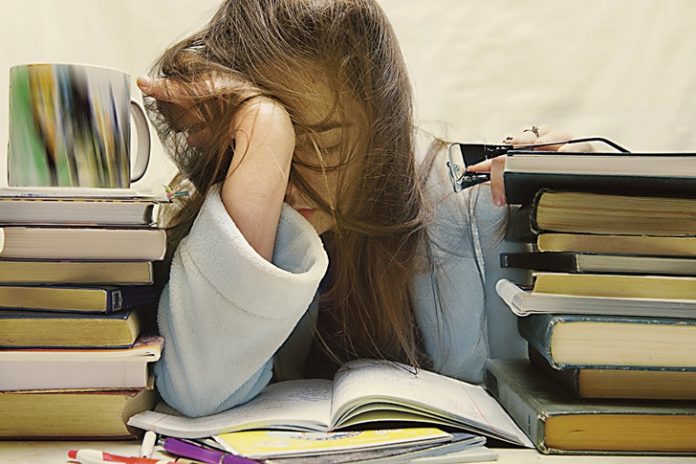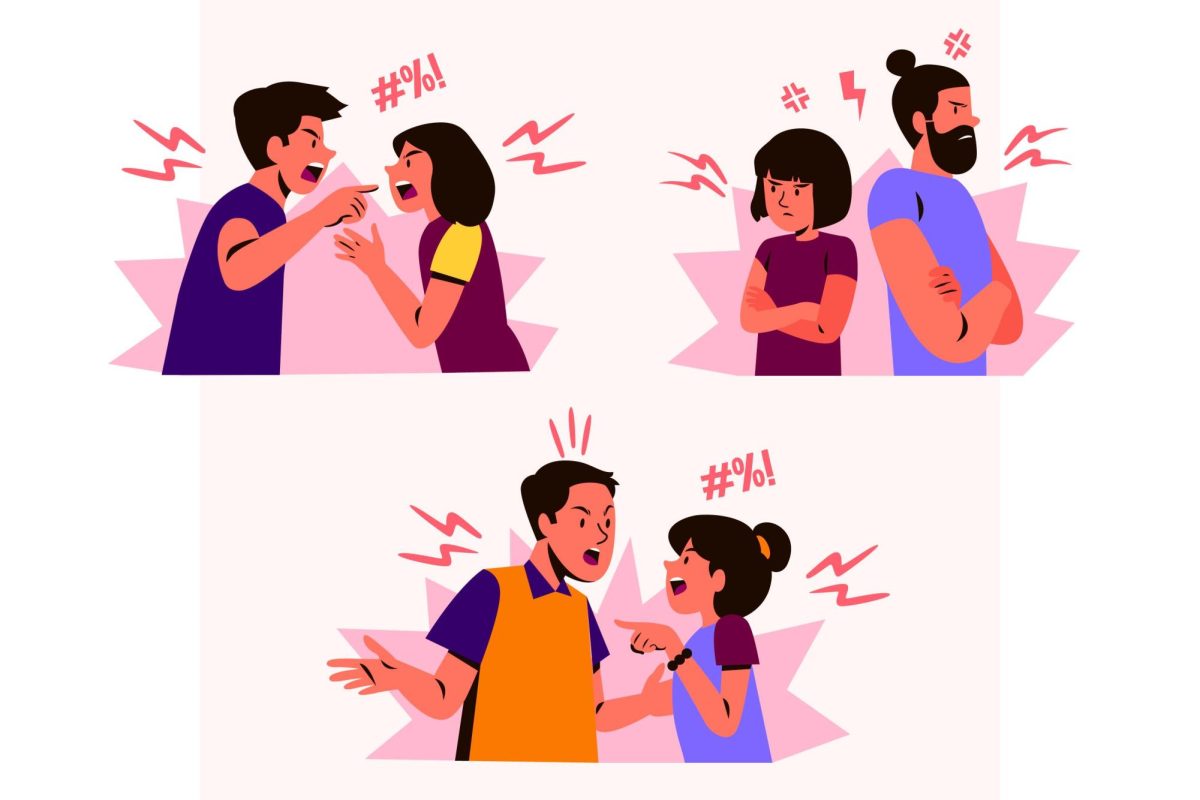
An unhealthy relationship does not always leave visible scars. Sometimes, it changes the way a teenage girl sees herself, the way she trusts others, and the way she understands love. What begins as affection can slowly turn into doubt, fear, and emotional distance, leaving lasting effects long after the relationship ends.
Many girls say the biggest change happens internally. Maiya Rene, a junior, says, “I lost sense of my worth and who I am beyond having a boyfriend because of my past relationship.” Experiences like those reflect how unhealthy relationships can reshape self-image and confidence.
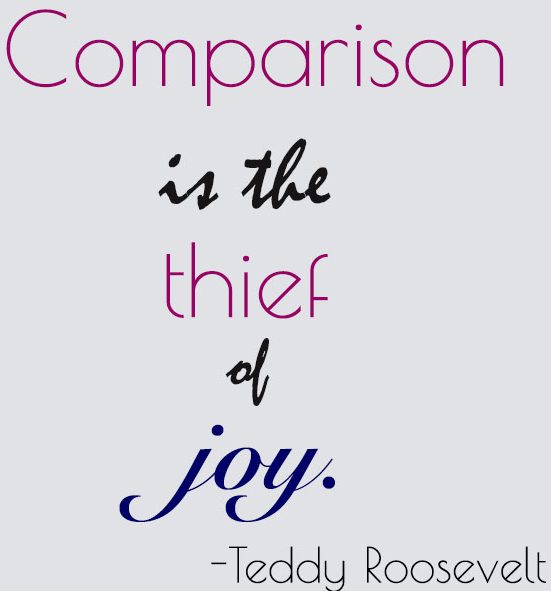
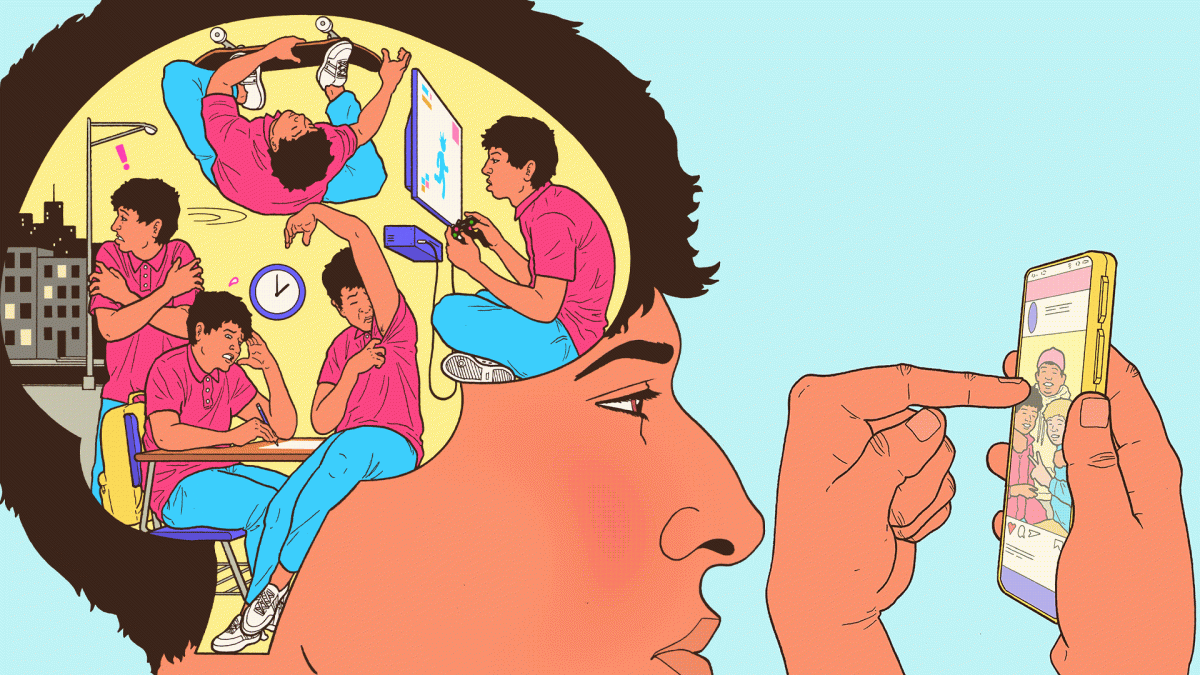
Emotional effects such as stress, insecurity, and loss of trust are common after being treated poorly. Kylie Montenegro, a sophomore, says, “When I got cheated on, it made me compare myself to other girls and made me lose trust for future relationships.” No relationship is perfect, but don’t stay with someone who makes you change yourself for the worst.
The impact of an unhealthy relationship often spreads into other areas of life. Friendships, schoolwork, and family relationships can all suffer. Bruna Dangelo, a junior, says, “I remember when I went through a bad breakup and I stopped hanging out with friends, got more distant from my family, and even my grades plummeted. Not only was I going through the breakup, but I also felt as if I was losing everything all at once.” Isolating yourself or losing focus on what’s ahead is never the answer. Try to talk to the people who care about you.
Many did not realize the relationship was unhealthy until they were already deeply involved. At first, jealousy or control may appear as care, making it difficult to recognize harmful behavior early on. Lorena Valdes, a junior, says, “When I was in my past relationship, I didn’t notice how toxic it was or how controlling that person was until I was too attached. Then it just seemed worth it to stay.”
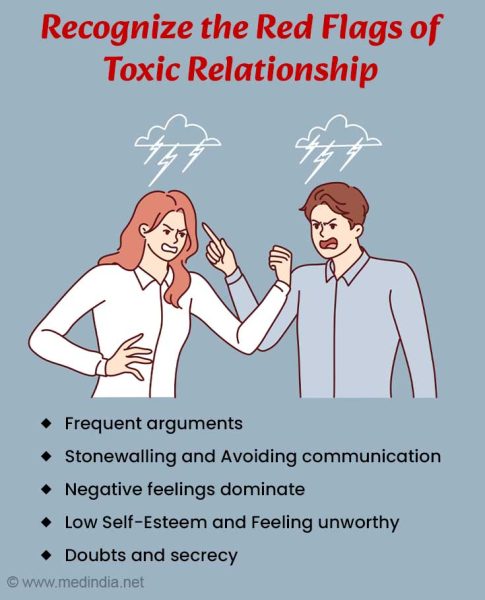
Looking back, most said there were warning signs they wish they had noticed sooner. These red flags often included controlling behavior, manipulation, or feeling afraid to speak honestly. Brianna Lugo, a sophomore, says, “When I was in a relationship, it was like I was blinded at first. Then I noticed the toxic behavior, and if I knew that was how it was gonna go, I never would’ve done that to myself.”
Guadalupe Perez, a junior, adds, “I’ve always spoken my mind and have never been afraid of letting others know my opinion, but when I was with this person, I kind of lost that outspoken part of myself. I always wish I had gotten out sooner.”

Bad relationships also change how teenage girls view love and dating in the future. Rather than rushing into new relationships, many said they now prioritize emotional safety and respect. Ashley Aragon, a senior, says, “I’ve been on my own for two years now. I definitely lost some trust in love, and I don’t want anything right now. I’m slowly finding myself away from being in a relationship.”
Healing is different for everyone, but support systems play a significant role. Friends, family, and time helped many regain a sense of identity. Rebuilding confidence often meant rediscovering hobbies, reconnecting with loved ones, and learning to set boundaries. Kylie Montenegro says, “My friends were the biggest help and made me realize relationships come and go, but the love that comes from friends, family, or doing things I love to do—that’s what is important.”
A bad relationship can make you more careful with your heart. Khloe Brown, a junior, says, “My past experience definitely made me both stronger and cautious. While I wouldn’t be scared to get into another relationship, I know to never let someone treat me badly. I still sometimes am cautious with who I let into my life.”
Love should never come at the cost of personal identity or emotional safety. An anonymous junior, says, “I feel like when I’m in a relationship, I lose myself trying to be what that person wants me to be. Over time, I’ve learned that I just need to be myself.”
If these girls could go back in time and give themselves advice on relationships, what would they say? Maryledis Brizuela, a junior, says, “I would tell myself that if being in a relationship compromises my values or my worth, then it’s not a relationship I should be in.”
Although every relationship is different, the stories shared reveal a common truth. Bad relationships can change teenage girls in lasting ways. Yet, through reflection and healing, many emerge with a stronger understanding of themselves, and a clearer vision of what love should be.