

In today’s world, teenagers are targeted with videos and messages promoting a false narrative of health and well-being. This is known as wellness culture and has become a constant problem with many teenagers, shaping their beliefs of self-care, fitness, and mental health.
While the emphasis on well-being might, on the surface be seen as a positive thing, it is crucial to examine the downsides of wellness culture and its potential impact on younger minds.
Inclusivity
Some students believe that wellness culture could be more inclusive by focusing on honesty, diversity, and sustainable practices rather than quick fixes and unrealistic trends. “In my opinion it could be more open to inclusivity by depending on what body type we are and what diet actually is good for those bodies because everybody’s bodies are quite different due to our genes and where we’re from,” said senior Laura Gullo. “Weight looks different on everyone, and following the same diets or workouts can be more damaging than actually being healthy.”
Junior Amon Funeus said, “Instead of saying things about being healthy and not having anything to back it up, they should show proof and actual real progress. For example, when they say, take a gummy to help you lose weight faster, they should take the gummy themselves to prove that what they’re saying is true.”
P.E. teacher Ms. Anderson, a former athlete and now coach, added that real wellness isn’t about quick fixes but long-term habits. “Being healthy is taking all the right steps and doing it the natural way. There is no quick fix to becoming healthy, no pills, no diet. It’s about eating healthy, working out, and having that type of lifestyle,” she said.
Beyond the surface
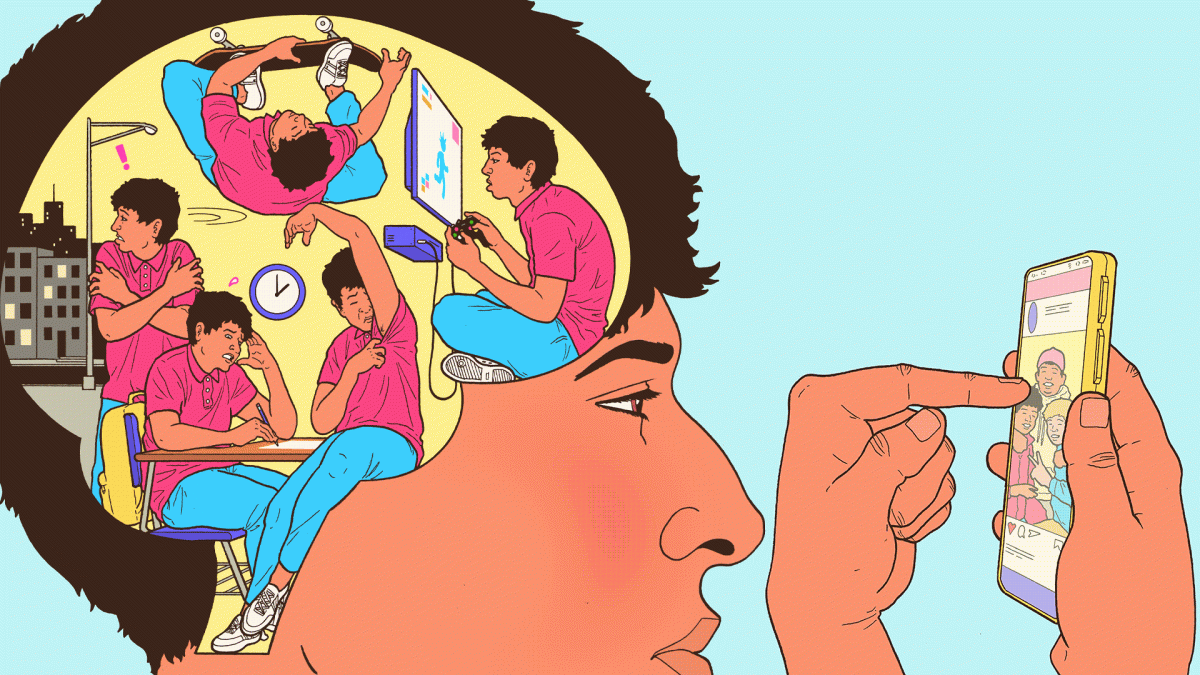
For some students seeing, “healthy” online influencers can have had a negative impact on how they view themselves. “It affects your self-image because they get work done and the body they’re presenting online isn’t their true body. They edit and change things to make them seem more attractive. And this can affect teens’ mental health and how they see themselves,” said junior Melanie Mejiya.
Sophomore Luisa Becerra explained how wellness culture reshaped the way she defined health. “When I see people online claiming to be fit and healthy, it’s mainly believed that a certain body type, for example, a slim body not curvy, is the ideal shape that you want to have, and it’s made me criticize myself more and make me feel like I’m not pretty enough or I do not fit the standards of what is acceptable,” she said.
Facts or Scams?
While wellness culture can offer positive messages, both staff and students agree that it also comes with risks. “The intention is good when it comes to wellness culture, what’s bad is the information they get is not necessarily the truth,” said assistant principal Mr. Arscott. He explained that teens often see content on Instagram or TikTok and “before verifying the sources, they automatically think it’s the gospel and fall into its cash grabs too quickly.” Still, he noted, “The good thing is that real wellness influencers have the good intent of trying to be healthier and promoting a healthy lifestyle to others.”
Junior Allison Sorino said, “Wellness trends can help you learn about your body and the good you can get from trends, but you can also walk into harmful scams that can potentially damage your body more than it already is.” 






Marlenis Morales • Oct 23, 2025 at 2:43 pm
That’s very interesting topics that’s excellent Job