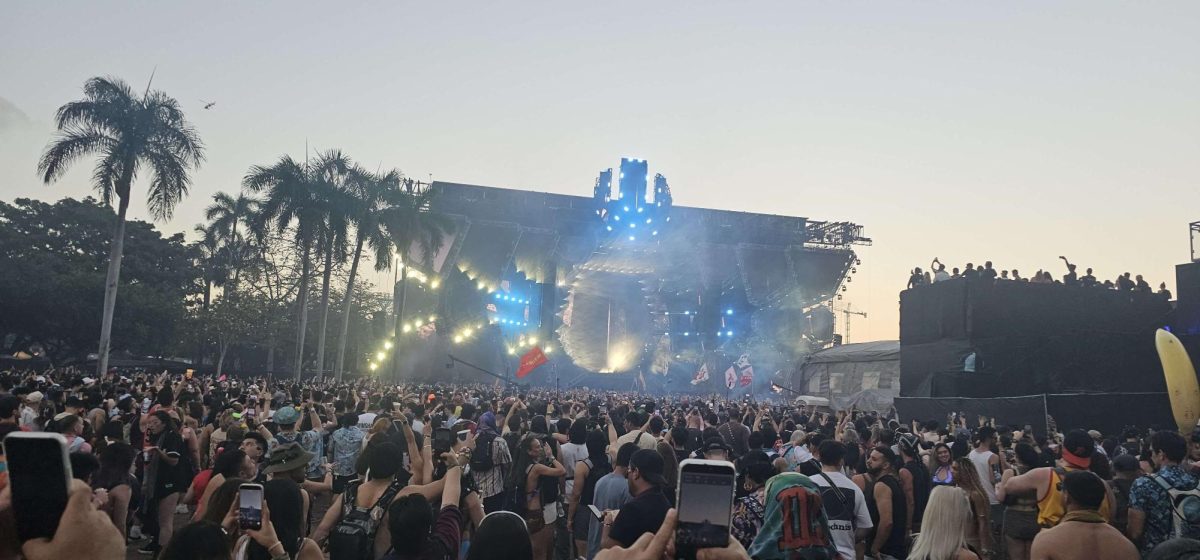
Miami Music Week once again turned the city into the worldwide center of electronic dance music. From March 25th to March 29th, thousands of fans poured into venues across Miami for a nonstop week of parties, headline performances ,and all-night energy. Some students who went experienced everything firsthand, from gritty warehouse raves to blockbuster festival productions at Bayfront Park.
The event mixed raw underground vibes with polished mainstage entertainment, drawing people from around the globe. For anyone new to the scene, Miami Music Week is not just one party but a whole week of more than 200 events in hundreds of different locations, with the Ultra Music Festival serving as the big weekend finale.
The Music & Culture
The people at Miami Music Week created the real heartbeat of the event. Fans of all ages and backgrounds filled the venues, wearing neon outfits, glitter faces, fuzzy backpacks and glowing LED accessories. Strangers shared water bottles, high-fived after big drops, and danced side by side like old friends. Many traded colorful beaded bracelets called “kandi,” which are handmade gifts that symbolize the friendly spirit of the scene.
This welcoming atmosphere comes straight from the early 1990s rave scene. Back then, underground parties focused on community instead of big-club culture. The philosophy known as PLUR—Peace, Love, Unity and Respect—started in those days and still guides the scene today. It means looking out for one another, showing kindness, and keeping the dance floor positive. Even as the events have modernized with social media, bigger stages and global reach, PLUR lives on in small acts like sharing kandi or helping someone who might need water.
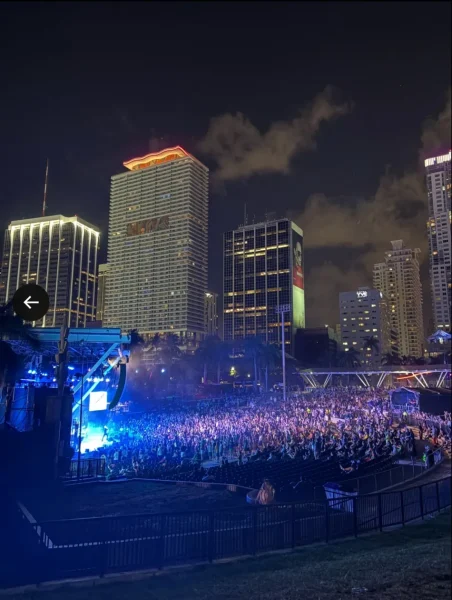
Students from Miami High offered their own perspectives. Nelson Mayorga, a recent Miami High graduate who attended Ultra, said he decided to go because “everyone always talks about the insane production and seeing artists like Major Lazer or Martin Garrix live.”
He expected huge crowds and nonstop energy and said the craziest moment came during a mainstage set when pyro exploded across the skyline. “The whole park lit up and the crowd just erupted, and it was unforgettable,” he recalled.
Mayorga added that he believes festivals like Ultra stay well-mannered because of PLUR. “Even with tens of thousands of people, everyone was helping each other stay hydrated and making space on the dance floor. It felt respectful and positive,” he said.
Junior Walter Ferron, who has never attended but is already planning for next year, said stories from friends like Nelson make him want to go. “The PLUR community and the atmosphere of these events is what drags me in,” he explained.
As someone who attended both Factory Town and Ultra, I thought the whole week felt incredibly lively. People were extremely respectful and responsible the entire time. I never saw any real trouble, everyone just looked out for each other, kept the energy positive and made sure the dance floor stayed fun for everybody. It made the experience even better than I expected.
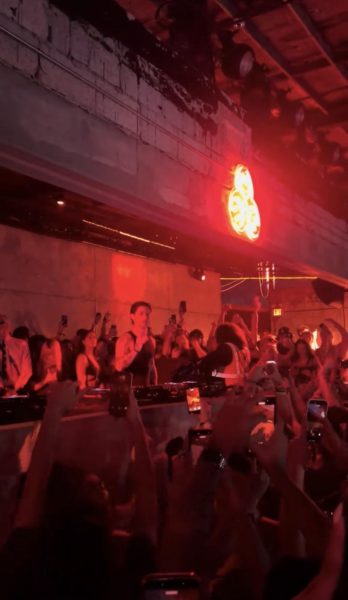
At Factory Town Music Week in Hialeah, the underground side of the event was illuminated. Justice made their Factory Town debut with a high-energy DJ set in the Infinity Room on opening night. Jamie Jones b2b Loco Dice (b2b meaning two DJs performing “back-to-back,”) turned the Paradise Party Takeover into a hypnotic dance marathon. Other artists kept ravers locked in for hours beneath the bright moon. These b2b sets are a favorite in the scene because they create surprise energy and let two artists bounce ideas off each other live, something newcomers might not realize is completely more exciting than a solo set.
At the Ultra Music Festival in downtown Miami, the scale jumped to another level. Headliners—including Major Lazer, Armin van
Buuren, and John Summit—turned Bayfront Park into a sea of thousands of jumping fans. The week covered every corner of electronic music from underground techno, melodic house, and big-room anthems, giving attendees a full spectrum of sounds in one insanely packed schedule.
The week featured many different types of events like all-night warehouse raves at Factory Town which became raw, industrial parties that often lasted until sunrise, with techno marathons, house takeovers, and polished festival sets at Ultra.
Most main events were 18+, though Ultra offered some daytime or family-friendly areas for a wider crowd. The mix of gritty underground roots and mainstream spectacle made Miami feel like one giant party where differences melted away under the music.
Fashion became its own performance. Glitter, streetwear and glowing accessories turned every space into living art. For one week, Miami became a hub where people celebrated through rhythm, movement, and shared energy.
Behind the Stage
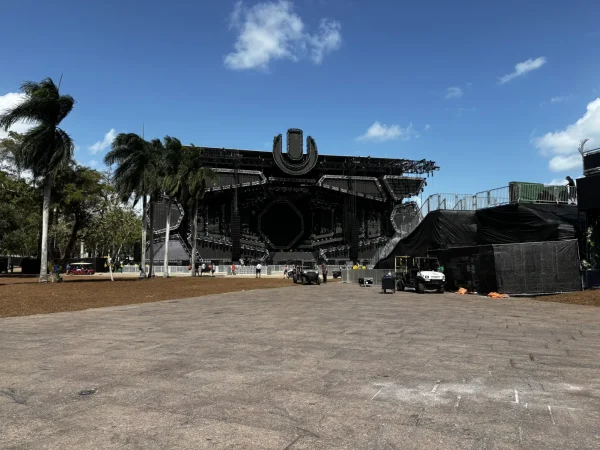
Long before the crowds were grooving, crews spent several days turning ordinary spaces into immersive party zones. At Bayfront Park for Ultra, workers closed off the area early and used cranes to lift massive LED screens, speakers and lighting rigs into place.
Factory Town’s seven-acre industrial site in Hialeah required just as much work, hauling equipment across concrete floors and warehouses, testing sound systems and setting up five stages with chain-link fences and open-air vibes. This year crews added upgrades like new lighting cables in the Infinity Room and sharper CO2 cannons in the Chain Room to make the spaces feel even more alive.
Security teams required long lines and safety checks while technicians ran sound tests and light cues in empty venues. Promoters, volunteers, and staff in bright vests coordinated artist schedules, crowd flow, and every detail.
Miami Music Week 2026 showed once again how music can take over a city and bring people together. The performances, friendly crowds, hard work behind the scenes and contrast between Factory Town and Ultra created memories that last long after the final track is played. Many students and fans who attended are already talking about returning next year.